Site survey and camera plan
We walk your building, note blind spots, and mark each camera position on a floor plan.
We design and install IP security camera systems that cover every entrance, aisle, and loading dock.
Prime Network Cabling serves offices, warehouses, clinics, and retail sites across Los Angeles. Every system starts with a free on-site survey and a clear camera plan.
 PoE-powered IP cameras Live view on phone and PC
A commercial security camera system is more than a few cameras on a wall. It combines cameras, cabling, power, recording, and secure remote access. Each part must work with the others.
We start with your risks. Break-ins, theft, safety incidents, and liability claims each need different coverage. We then choose camera types, lens angles, and mounting points to match.
Our technicians run Cat6 or Cat6a cable to every camera. A PoE switch powers each device over that same cable. This design keeps wiring clean and removes extra failure points.
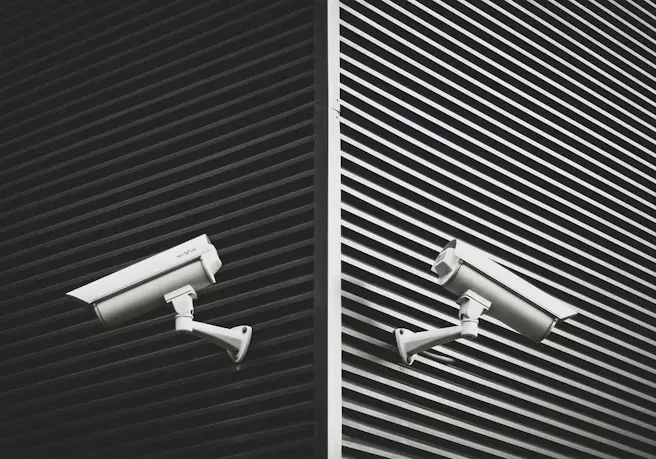
Each project covers the full system, from the first walkthrough to the final test.
We walk your building, note blind spots, and mark each camera position on a floor plan.
We mount domes, bullets, and PTZ units, then aim and focus each lens on its target area.
We pull tested cable to each camera and power it from a managed PoE switch.
We size storage for your retention goal and configure surveillance-rated drives.
We set up secure phone and desktop access, plus motion and intrusion alerts.
We test every camera at day and night settings, then show your team how to use the system.
Good coverage depends on how many pixels land on a subject. Designers use four standard detail levels from IEC 62676-4.
About 25 pixels per meter. You can tell that a person or vehicle is in the scene.
About 62 pixels per meter. You can see what a person is doing.
About 125 pixels per meter. You can recognize a person you already know.
About 250 pixels per meter. You can capture details for evidence, such as faces at doors.
Many sites outgrow their first system. These signs point to a camera upgrade.
Staff already know where the cameras cannot see. Intruders learn it too.
Older analog cameras struggle with glare, night scenes, and small details.
Full drives and failed recorders leave gaps right when you need proof.
An expansion adds doors, lots, and corridors that no camera covers yet.
Managers cannot check the site after hours without driving there.
A policy review or incident often calls for clearer, recorded coverage.
We match hardware to the scene instead of using one model everywhere.
Low-profile cameras for lobbies, hallways, and ceilings. Vandal-resistant IK10-rated housings suit public areas.
Long, narrow views for parking lots, fences, and building sides. IP66 or IP67 housings resist rain and dust.
Pan-tilt-zoom units cover large lots and yards. They also track movement and zoom in on activity.
One mount holds several lenses and covers a wide angle with fewer cables.
Network video recorders use H.265 compression and surveillance-rated drives. RAID adds protection from a single drive failure.
Line-crossing, intrusion, and people or vehicle detection cut down false alerts.

Each building type brings its own risks and layouts.
Cameras watch reception, entrances, and parking while respecting private areas.
Wide-angle and PTZ cameras cover docks, aisles, and yards.
Cameras cover registers, stockrooms, and rear exits.
Shared lobbies, garages, and mail areas get clear, organized coverage.
Long-range cameras and good lighting protect vehicles and visitors.
Entry and perimeter coverage supports safer arrival and dismissal.
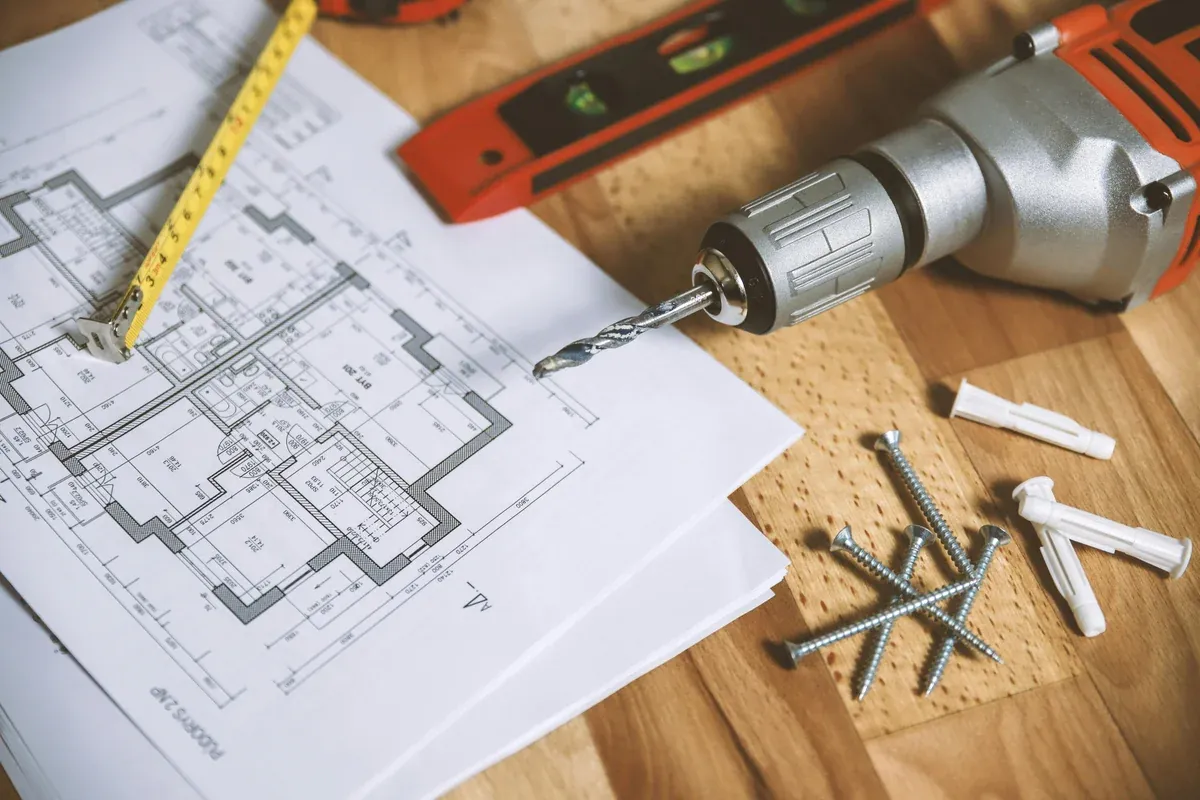
We review the same checklist on every site before we mount a single camera.
Doors, gates, dock doors, and ground-floor windows come first.
Mount high enough to resist tampering and low enough to capture faces.
Backlight and glare hurt image quality. Wide dynamic range (WDR) and infrared help at night.
A wide lens covers more area. A narrow lens gives more detail at distance.
We confirm ceiling access, conduit, and the 100 meter Ethernet limit for each run.
California law limits recording in restrooms, locker rooms, and changing areas.
Open standards keep your system flexible and your cabling safe.
ONVIF profiles let cameras and recorders from different makers work together.
IEEE 802.3af, at, and bt define how much power a switch can send to each camera.
This guideline sets pixel density targets for detection, recognition, and identification.
TIA-568 sets cable and testing rules that keep camera links stable.
Some federal rules limit certain camera brands. We help you check equipment lists when they apply.
These errors cause most weak or failed camera systems.
Pair this service with other systems that share the same cabling and network.
Diagnosis and repair for offline cameras, failed NVRs, and damaged cable.
Commercial Security Camera RepairKeycard, mobile, and biometric entry with audit logs for every door.
Secure Access Control SystemsTested Cat6, Cat6a, and fiber cabling with clean racks and labels.
Complete Structured Cabling for BusinessesManaged switches, VLANs, firewalls, and business Wi-Fi.
Quality Networking ServicesOur technicians install commercial camera systems in these Southern California business areas.
Offices, clinics, and older buildings near Colorado Boulevard.
Retail sites and corporate offices along Brand Boulevard.
Office towers and suites that need controlled lobby coverage.
Warehouses and industrial sites near LAX.
Studios, startups, and offices in Silicon Beach.
Need service elsewhere in Southern California? See the full Los Angeles service area coverage, or read our low-voltage security and network guides.
These Google reviews come from customers of our Los Angeles low voltage services.
Short answers to the questions business owners ask most.
Time depends on camera count, ceiling access, and cable length. Small sites can finish in a day or two. Larger sites take longer. Your survey gives a firm schedule.
Yes. We offer a free on-site survey. We measure the site, discuss your goals, and send a written camera plan.
Most new commercial systems use IP cameras. They deliver higher resolution, PoE power, and easier expansion. Analog can make sense only when you reuse good existing coax cable.
Yes. We configure secure remote access on iOS, Android, and desktop. We also set user roles so staff only see the cameras they need.
Storage depends on camera count, resolution, compression, and motion. We calculate it for your target retention before we order drives.
We can set cameras to record video only. California has strict rules on recording conversations, so ask your attorney before you enable audio.
Often yes. We check the recorder, switch ports, and cable first. If the old recorder is full or outdated, we explain your options.
Tell us about your building and your biggest security concern. We will walk the site and send a clear camera plan.
Mon - Sat: 8:00 AM - 8:00 PM


