Door hardware and lock install
We fit electric strikes, mag locks, and exit devices that suit each door.
We install keycard, mobile, keypad, and biometric entry systems that log who opens each door.
Keys get lost and copied. An electronic system replaces them with credentials you can add or cancel in seconds. Prime Network Cabling designs, wires, and tests each door.
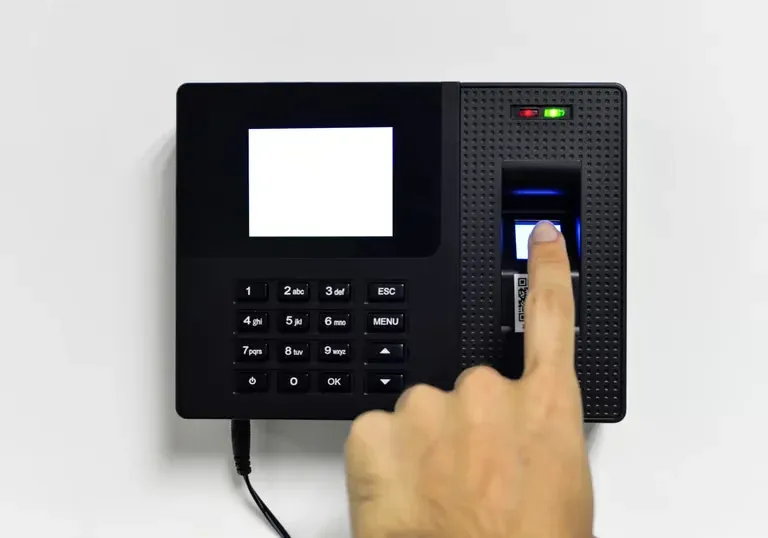 Card, mobile, and biometric Audit log for every door
An access control system has four main parts. Readers read the credential. A controller decides whether to open the door. Locks hold the door. Software manages users and records events.
We choose each part for your doors and your people. A glass office door needs different hardware than a steel warehouse door.
We also connect the system to other security tools. Door events can link to cameras, so you see who entered, not only when.

We handle the whole door, from wire to software.
We fit electric strikes, mag locks, and exit devices that suit each door.
We mount readers and enroll cards, fobs, mobile passes, or fingerprints.
We run tested cable and mount controllers on backed-up power.
We create groups, door schedules, and holiday rules for your staff.
We tie door events to video and visitor intercom panels.
We add doors to older systems or migrate you to a modern platform.
Every entry follows the same path. Knowing it helps you choose the right parts.
A person presents a card, phone, PIN, or fingerprint.
The reader sends the data. The controller checks the rules.
If the rules allow entry, the controller releases the lock.
The system records the user, door, and time for later review.
Physical keys stop scaling as a team grows.
You cannot know who holds a working key.
Rekeying after each departure costs time and money.
Cleaners, vendors, and shifts need schedule-based access.
Audit logs answer questions that keys cannot.
Door-held alarms alert staff when a door stays open too long.
Many policies and audits expect controlled, logged entry.
We pick technology that fits your risk level and budget plan.
Proximity and smart-card readers suit most offices. Modern encrypted cards resist copying better than older low-frequency cards.
Phones act as keys through Bluetooth or NFC, so staff carry one less item.
PIN pads and fingerprint readers add a second factor for sensitive rooms.
Strikes work with existing doors. Mag locks hold glass and double doors, but need fire-code release.
OSDP supports encrypted, two-way reader communication and replaces the older Wiegand method.
Visitors call from a panel and staff buzz them in, with a camera view of the door.
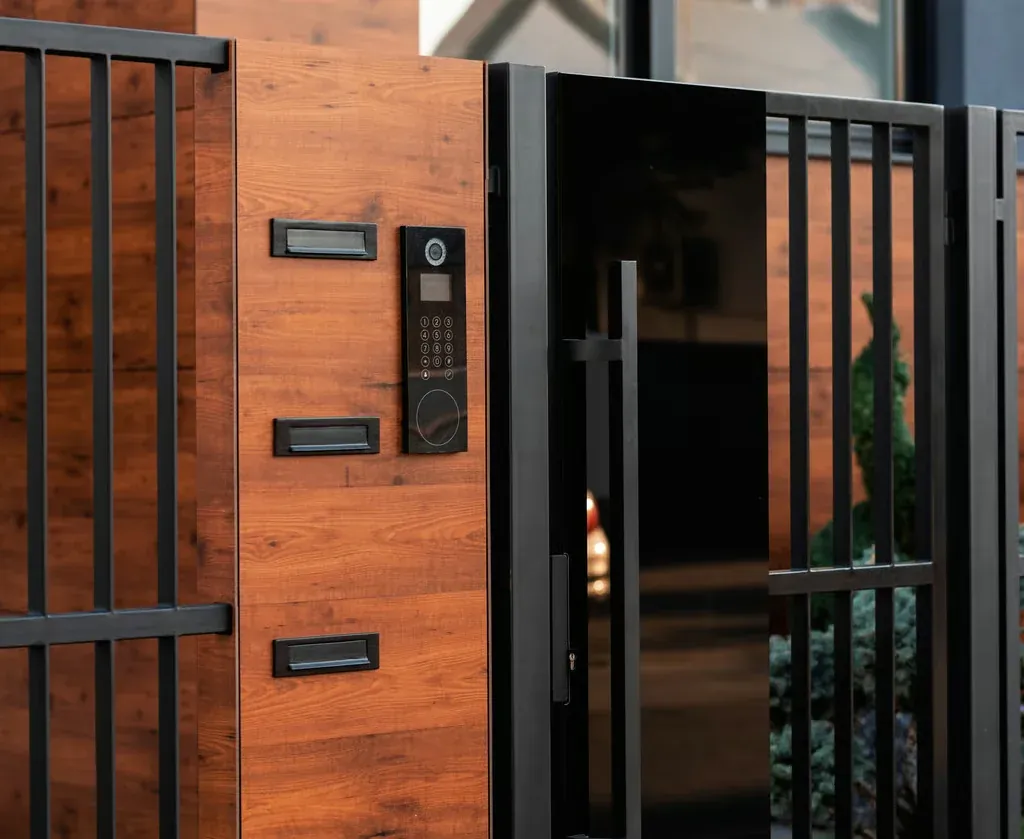
Each space has different traffic and rules.
Control main doors, suite entries, and server rooms.
Limit access to supply rooms and records areas.
Protect inventory cages, docks, and equipment rooms.
Give each tenant control of its own doors and users.
Add keypads and intercoms to vehicle and pedestrian gates.
Keep stockrooms and offices to authorized staff only.
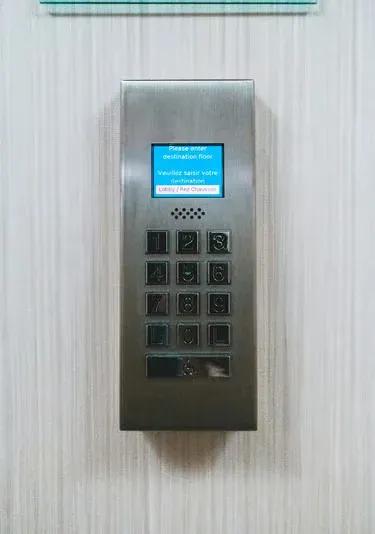
We walk each door with this list before we recommend hardware.
Glass, wood, and steel doors need different locks and mounting.
Doors must let people exit freely. We follow NFPA 101 and local fire code.
List groups, hours, and special rooms before setup.
Controllers need steady power. A battery backup keeps doors working in an outage.
We confirm routes from each door to the controller.
Decide between a cloud portal and an on-site server.
Safe doors balance security with a clear exit path.
The Life Safety Code sets rules for egress doors and locking hardware.
ADA rules guide reader height, door pressure, and clear approach space.
The Open Supervised Device Protocol supports encrypted reader links.
The National Electrical Code guides low-voltage and power wiring.
TIA-568 sets cable practice for network-connected controllers.
Most access control problems start at the design stage.
Pair this service with other systems that share the same cabling and network.
IP and PoE camera systems with NVR recording and remote viewing.
Dependable Security Camera InstallationDiagnosis and repair for offline cameras, failed NVRs, and damaged cable.
Experienced Security Camera RepairTested Cat6, Cat6a, and fiber cabling with clean racks and labels.
Complete Structured Cabling for BusinessesManaged switches, VLANs, firewalls, and business Wi-Fi.
Quality Networking ServicesWe install door security for businesses in these areas.
Offices and clinics that need staff-only zones.
Corporate suites and retail back-of-house doors.
Tower suites with shared lobby and tenant doors.
Industrial and aerospace-adjacent facilities.
Creative studios and startups with open floor plans.
Need service elsewhere in Southern California? See the full Los Angeles service area coverage, or read our low-voltage security and network guides.
These Google reviews come from customers of our Los Angeles low voltage services.
Common questions from business owners.
Cloud-managed card or mobile systems fit most small offices. They need little hardware and let you manage users from any browser.
Often yes. Electric strikes and readers can retrofit many doors. We inspect each door and frame first.
It depends on the lock type. We plan battery backup and the correct fail-safe or fail-secure lock for each door.
Yes, with readers that support Bluetooth or NFC mobile credentials. Staff keep the pass in their phone wallet app or vendor app.
Yes. Many systems link door events to video so you can review who entered and when.
Disable the user in the software. The credential stops working right away, with no rekeying.
Yes, if people can always leave freely. We follow fire and life-safety rules and confirm local requirements with your fire authority.
List your doors, your team size, and your biggest worry. We will propose a system that fits.
Mon - Sat: 8:00 AM - 8:00 PM


