Cat6 and Cat6a installation
We run copper to desks, Wi-Fi access points, cameras, and phones.
We install tested, labeled cabling that supports your network for years.
Every device depends on the cable behind the wall. Clean structured cabling keeps your network fast, easy to expand, and simple to troubleshoot. We plan, install, label, and test each link.
 Cat6, Cat6a, and fiber Labeled and tested links
Structured cabling is a planned system of cables, jacks, panels, and racks. It follows standards, so any device can plug in anywhere and work.
The system has clear parts. Work area outlets connect to horizontal cable. Horizontal cable runs to patch panels in a telecom room. Backbone cable links rooms and floors.
We label and test every link. You receive a clear record of what goes where. Future moves and repairs take minutes instead of hours.
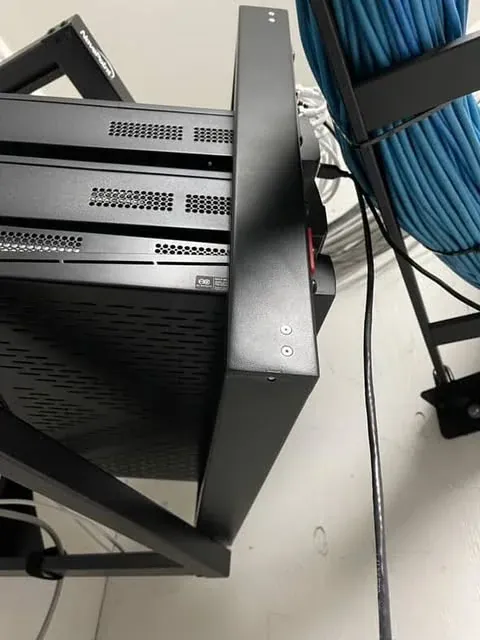
We cover new builds, tenant improvements, and cleanups.
We run copper to desks, Wi-Fi access points, cameras, and phones.
We install and terminate fiber for backbones and building-to-building links.
We mount racks, panels, and managers with tidy, serviceable patching.
We label both ends of each cable and give you a port map.
We test every link and provide the results.
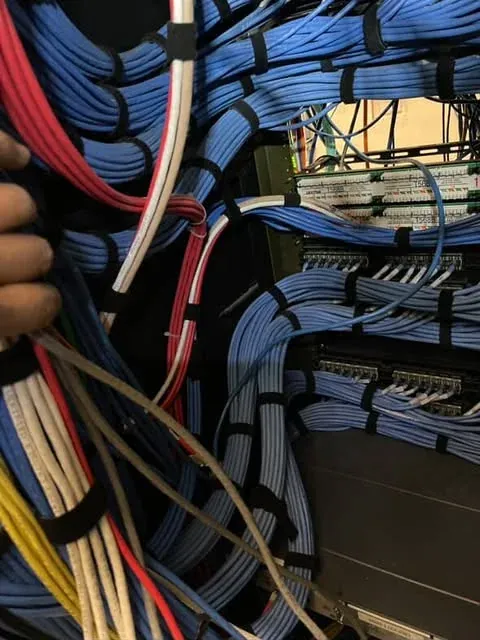
We tidy messy closets and replace failed or unlabeled runs.
TIA-568 groups cabling into clear subsystems. Each has a job.
Wall jacks and patch cords connect user devices.
Cable runs from each jack to the telecom room. TIA limits each permanent link to 90 meters.
Racks hold patch panels, switches, and cable management.
Fiber or copper links connect rooms, floors, and buildings.
Old or messy cable causes slow, hard-to-trace problems.
Old Cat5 or damaged cable cannot support modern speeds.
Unlabeled patch cords make every change risky.
Access points and cameras need dedicated home runs.
New space needs new jacks, panels, and racks.
Untested links often fail months after installation.
Moving to 10 Gbps requires cable that supports it.
The right cable depends on speed, distance, and environment.
Supports 1 Gbps to 100 meters. It also supports 10 Gbps over shorter runs. A good fit for most desks.
Supports 10 Gbps to 100 meters. Best for Wi-Fi access points and future upgrades.
Handles high speeds over short and medium distances inside buildings.
Carries signals over long distances, such as between buildings.
Fire-rated jackets are required in many air-handling spaces under NEC rules.
Wall and floor racks, vertical managers, and ladder tray keep cable organized.
Each building type needs its own layout and rating.
Desk drops, conference rooms, and Wi-Fi access points.
Long runs, fiber backbones, and scanners.
Exam rooms, imaging, and secure back-office links.
Point of sale, displays, and camera lines.
Suite buildouts and shared riser cabling.
Classroom drops and wireless access points.

Good planning avoids expensive rework.
List desks, phones, access points, cameras, and spare jacks.
Choose Cat6 or Cat6a based on speed goals and device types.
Find a cool, secure room with power and space to grow.
Keep each permanent link within 90 meters.
Confirm ceiling access, conduit, and fire-stop needs.
Agree on a naming scheme before installation starts.
We follow industry standards so your cabling is portable and inspectable.
This standard defines copper cabling performance and testing.
This standard covers fiber cabling components and links.
TIA-569 guides conduit, trays, and telecom room design.
TIA-606 sets labeling and records practice.
Bonding and grounding rules protect people and equipment.
BICSI manuals guide design and installation methods.
These errors create outages and costly rework.
Pair this service with other systems that share the same cabling and network.
IP and PoE camera systems with NVR recording and remote viewing.
Dependable Security Camera InstallationDiagnosis and repair for offline cameras, failed NVRs, and damaged cable.
Experienced Security Camera RepairKeycard, mobile, and biometric entry with audit logs for every door.
Complete Access Control SystemsManaged switches, VLANs, firewalls, and business Wi-Fi.
Quality Networking ServicesWe cable offices, clinics, and warehouses in these areas.
Office suites and older buildings with limited ceiling access.
Corporate floors and mixed-use properties.
Tower suites that need neat, standards-based buildouts.
Industrial campuses with fiber and long-run needs.
Studios and open offices with many wireless points.
Need service elsewhere in Southern California? See the full Los Angeles service area coverage, or read our low-voltage security and network guides.
These Google reviews come from customers of our Los Angeles low voltage services.
Answers to common cabling questions.
It is a standards-based cabling system with jacks, horizontal cable, patch panels, and backbone links. It supports voice, data, Wi-Fi, and cameras on one organized platform.
Choose Cat6a for new Wi-Fi and 10 Gbps plans. Cat6 works well for typical desk connections and shorter runs.
Use fiber for long distances, between buildings, and for high-speed backbone links. It is also immune to electrical noise.
Yes. We trace, label, and reorganize cables and patch panels. We also replace failed or unlabeled runs.
Yes. We test every link and can provide results for your records.
It depends on drop count and building access. A small office can finish in days. Larger projects follow a schedule we agree on after the walkthrough.
Yes. We can schedule noisy or disruptive work after hours with advance notice.
Share your floor plan or drop count. We will return a clear scope for your cabling project.
Mon - Sat: 8:00 AM - 8:00 PM


